
 |
The Two Types of Chlorophyll
By Kimberly Balas & Steven Horne
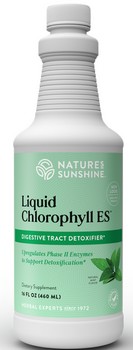
Liquid chlorophyll is water-soluble and is derived from the alfalfa plant. It is processed with copper to remove the magnesium molecule from the center of the chlorophyll. Because it is pure chlorophyll, it does not retain the properties of alfalfa, such as being rich in trace minerals. Liquid chlorophyll contains no trace minerals except copper.
|
|
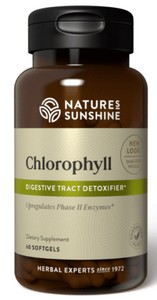
Chlorophyll gel is a very different substance than the chlorophyll liquid. This gel cap is fat-soluble and is rich in magnesium. It contains the natural form of chlorophyll present in plants. Because of their magnesium content, chlorophyll gel caps act as an anti-spasmodic for people with spastic colons.
This gel cap acts as a mild bowel detoxifier or laxative and is helpful for irritable bowel syndrome, cramping pains in intestines, and mild constipation. After taking the gel cap the fecal matter will often turn a dark green color.
While liquid chlorophyll does not contain any vitamins, fat-soluble chlorophyll (gel caps) contains vitamins A, E, F, and K.
What is the difference between Liquid Chlorophyll and the Chlorophyll Capsules
Tree Of Light Publishing
Liquid chlorophyll is water-soluble and is derived from the alfalfa plant. It is processed with copper to remove the magnesium molecule from the center of the chlorophyll. Because it is pure chlorophyll, it does not retain the properties of alfalfa, such as being rich in trace minerals. Liquid chlorophyll contains no trace minerals except copper.
The chlorophyll gel cap is a very different substance than the chlorophyll liquid. This gel cap is fat-soluble and is rich in magnesium. It contains the natural form of chlorophyll present in plants.
Because of their magnesium content, chlorophyll gel caps act as an anti-spasmodic for people with spastic colons. This gel cap acts as a mild bowel detoxifier or laxative and is helpful for irritable bowel syndrome, cramping pains in intestines, and mild constipation. After taking the gel cap the fecal matter will often turn a dark green color.
Liquid chlorophyll is naturally high in copper. Copper is classified as an essential mineral that is needed in small amounts in the body. Copper can be found in foods containing iron. The liver and brain contain the largest amounts of copper. Copper is helpful for prevention of cardiovascular disease, osteoporosis, some cancers and for keeping the skin, connective tissue and blood vessels elastic and supple.
Low levels of copper lead to the body's inability to utilize iron and protein, resulting in copper deficiency anemia. The use of birth control pills for an extended time can cause copper levels to lower. Copper deficiency is seen in people with emotional and mental issues, skin sores, impaired respiration and low energy.
This water-soluble liquid is well known as plant's blood�. Chlorophyll feeds a weakened bloodstream and helps to detoxify "dirty"� blood.
This green gold does not need to be digested so it assimilates quickly into the bloodstream. Women who suffer severe blood loss from childbirth or miscarriage benefit greatly from this producer as it helps the body move iron from storage and mobilize it in the blood.
Both forms of chlorophyll will act as an interceptor molecule and block the absorption of aflatoxins (known carcinogens) and other cancer-causing chemicals that are commonly found in today’s diet. Researchers in the early 1980s discovered that chlorophyll inhibits the ability of dangerous chemicals to cause mutations in bacteria. Many modern day cancers stem from mutation of genes. If mutation continues, it upsets the delicate balance of the human body and cell damage is inevitable. Some scientists believe that chlorophyll is important for prevention of bacterial mutation and cell damage leading to cancer.
Researchers in the early 1980s discovered that chlorophyll and related chemicals can inhibit the ability of certain DNA-damaging chemicals to cause mutations in bacteria. Chlorophyll is also effective in reducing toxins caused by pesticides and drug residue by purging them from the body. The liquid is helpful for bloating and helps to expel gas because it contains spearmint oil.
Applying liquid chlorophyll topically reduces infections and helps with the control of skin problems.
Chlorophyll was used in World War II as a first aid treatment for wounds and infections.
Liquid chlorophyll is very helpful for reducing body odor and is currently being by used hunters all over the world. Liquid chlorophyll is put into a capsule and hunters are instructed to ingest 100 mg. of liquid chlorophyll one time a day 3-5 days prior to hunting and once daily during the hunt. This regimen eliminates a hunter's body odor so animals cannot detect him.
Cooking green leafy vegetables destroys up to 99% of the chlorophyll content. While liquid chlorophyll does not contain any vitamins, fat-soluble chlorophyll contains vitamins A, E, F and K.
Chlorophyll acts as a photoreactive� substance; it generates free radicals or electrons when reacting with light in creating oxygen. Free radicals are very destructive to cells and the DNA. Nature impregnates chlorophyll with anti-free radical factors or antioxidants to prevent the plant from destruction by pollution, molds or disease.
Fat-soluble chlorophyll (gel caps) contains chloroplasts such as vitamin A, carotenes, vitamin K, E, as well as minerals such as magnesium and iron. These vitamins and minerals need to be present to prevent free radical damage. This gel cap is rich in beta-carotene in the form of vitamin A and is one of the most powerful anti-free radical factors known to man. When people ingest too many carrots or vitamin A supplements there are often complications with exposure to sunlight, i.e., photosensitivity. Chlorophyll does not have this affect and can never lead to vitamin A toxicity. For example, grazing animals such as cows or goats may eat grass all day but never show symptoms of vitamin A toxicity.
According to the British Medical Association, fat-soluble chlorophyll has been shown to be a possible lung cancer protective factor. The chlorophyll gel cap also has an action on the liver and gallbladder. People who experience bile duct spasms and gallbladder pain can benefit from taking several gel caps daily to reduce the spasms.
Fat-soluble chlorophyll is one of the only good sources of vitamin K found today. The natural form of vitamin K helps with the blood clotting ability of the blood. This gel cap can be used for people whose blood does not have the capability to clot fast enough, exposing them to heavy bleeding or hemorrhage.
The vitamin K found in fat-soluble chlorophyll helps the body with the production of fibrin, important in the clotting mechanism. Vitamin K also promotes strong capillaries and is used for prevention of spider veins. Vitamin E is another fat-soluble vitamin found in this gel cap. Vitamin E is a precursor to male and female sex hormones and can be helpful for hormonal imbalance.
Fat-soluble chlorophyll is useful for the reparation of gastrointestinal mucous membranes, thus being a good choice for people suffering from colitis or ulcers.

Follow us on....


|
 1994 - 2023 Four Winds, Inc. USA