
 |
 |
 |
 |
 |

 |
|
 |
|
Support the Good Bacteria
I . Eat a healthful diet of fruits and vegetables. Try to consume unprocessed foods free of chemicals, preservatives, and artificial flavors and colors. Limit consumption of red meat and simple sugars.
2. Exercise consistently.
3. Drink at least six, 8 ounce glasses of good [mineral] water daily.
Note from Four Winds Nutrition: Choose a water with a pH of at least 7.1 (Evian 7.2 or Celtic 7.5)
4. Get adequate rest.
5. Try to control stress and resolve emotional, deep-seated issues, as this has been shown to negatively affect intestinal health.
6. Take a probiotic supplement that contains stable human strain bacteria.
Bacteria Basics
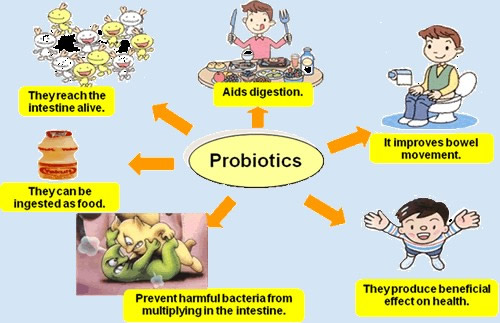
While there are hundreds of strains of bacteria, the two most common types of probiotics are Lactobacillus acidophilus and Bifidobacterium. We know that Lactobacillus acidophilus is mainly found in the small intestine, while the large intestine is the primary home for Bifidobacterium (bifidophilus). Both are important for good health.
The friendly, as well as the unfriendly bacteria, continuously die off and are eliminated from the body. It is vital to continually replenish your supply of good bacteria to offset the bad bacteria that make their way into your system via food, air water, etc.
Truly, "we are what we eat." When we inadvertently eat the wrong things, we can be subjected to a wide variety of gastrointestinal discomforts. People don't just have an "upset stomach" without other associated symptoms such as a headache, anxiety, and loss of appetite.
 Bifidophilus
This probiotic supplement provides 4 different strains of healthy intestinal flora. These important and beneficial bacteria are "friendly" microorganisms which naturally inhabit the intestinal tract, aiding digestion and absorption as well as enhancing immune function and protecting against harmful bacteria, viruses and fungi.
In the gastrointestinal tract, a delicate balance exists between the host and the intestinal bacteria, most of which are present in the colon. Intestinal bacteria alter the chemical composition of foods and drugs; break down dietary toxins; produce and degrade vitamins; create toxins and antitoxins; and inhibit the growth of certain disease-producing organisms.
Upsetting the balance of the intestinal micro flora can occur with antibiotic use. Disease and aging can negatively affect the beneficial role of these important microorganisms.
Details & Order »
 Probiotic Eleven
This unique combination of healthful probiotics helps replenish depleted populations in the gut.
This formula provides 11 species of live microorganisms that exert many beneficial health effects.
These microbes can also help regulate intestinal functions and greatly support colon function.
This specially formulated blend contains strains of important gut-beneficial organisms and prebiotics (non-digestible foodstuffs including fiber) that serve as food for the probiotics in the colon, including short-chain fructooligosaccharides (scFOS).
More than 200 clinical and animal studies have proven the ability of short-chain FOS to improve the growth of friendly bacteria, enhance mineral absorption, soothe the bowel and increase resistance to foreign invaders.
Probiotic Eleven contains a total of 6 billion friendly bacteria from
Bifidobacterium bifidum, Bifidobacterium infantis, Bifidobacterium longum, Lactobacillus bulgaricus, Lactobacillus brevis, Lactobacillus plantarum, Lactobacillus rhamnosus, Lactobacillus salivarius, Streptococcus thermophilus, Lactobacillus acidophilus and Lactobacillus casei in a prebiotic blend of short-and long-chain FOS.
Each capsule is coated to ensure its sustained release in the intestine, where the bacteria normally flourish.
This product is recommended for individuals who occasionally experience lactose intolerance, stomach-related health concerns and other minor concerns of the gastrointestinal tract.
It is also recommended after colon cleansing and other treatments that may affect populations of friendly flora.
Details & Order »
 Acidophilus
This is a milk-free Acidophilus designed to help repopulate the intestinal tract with healthy colonic flora. These bacteria are "friendly" microorganisms which naturally inhabit the intestinal tract, aiding digestion and absorption of nutrients, as well as enhancing immune function.
Acidophilus flourish in the small intestine where they assist in the production of enzymes and stimulate enzyme activity, thus enhancing more efficient assimilation of nutrients. It inhibits the overgrowth of harmful intestinal microorganisms, such as Candida and the bacteria which causes flatulence and putrefaction in the colon.
Acidophilus protect the intestinal mucosa, prevent constipation and diarrhea, enhance bowel elimination, as well as aid digestion, assist in metabolizing calcium provide essential nutrients for building the blood, control the buildup of serum cholesterol, and stimulate the body's immune system by assisting white blood cells in fighting disease causing pathogens.
Details & Order »
 NutriBiome Bacillus Coagulans
Bacillus coagulans is a strain of friendly probiotic that is naturally heat-stable. It can also more readily withstand the stomach's acidic environment, thereby better providing targeted support to the intestine and maintaining balance in the microbiome.*
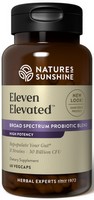
NutriBiome Eleven Elevated (very powerful)
Provides 30 billion CFU of 11 strains of beneficial bacteria per serving*
Helps support repopulation and optimization of beneficial bacteria in the gut*
More potent than original Probiotic Eleven formula Featuring delayed-release vegetarian capsules*
How It Works
Probiotic supplementation may help to maintain friendly bacteria colonies in the gut, or microbiome, which can be depleted by stress, antibiotics or gastrointestinal disturbances.*
Renew or intensify your probiotic regimen with Eleven Elevated. Providing 30 billion CFU of 11 strains of friendly bacteria per serving, Eleven Elevated helps support your microbiome, digestive health, immune system and rebalance your gut.
Eleven Elevated contains the same blend of beneficial bacteria and prebiotics found in Probiotic Eleven, our most popular probiotic, but with a higher CFU (colony forming unit) count.
Eleven Elevated is approximately 67% more potent per serving and 150% more potent per capsule than Probiotic Eleven.
Other products to consider
Silver Shield (Colloidal Silver)
Anti-microbial "Second immune System". The very minute ionized particles of Silver suspended in pure water appear to inhibit the function and metabolism of bacteria, fungi, protazoa and viruses. it works quickly on contact.
Gastro-Health
For persistent gastric ulcers and stomach inflammation.
First, you need to know that a lot of stomach inflammation and ulceration is brought on by the effects of a spiral-shaped bacteria called Helicobacter pylori. When this is the case, no amount of antacids or acid suppressing drugs will give lasting relief.
If antibiotics are used, they also destroy important friendly digestive bacteria.
Gastro-Health (Herbal H-p Fighter) contains herbs (pau d'Arco, cloves and Inula racemosa) that inhibit H. Pylori without the side effects of antibiotics. Deglycyrrhinated licorice extract (DGLE) is included to sooth and heal the irritated stomach lining.

Follow us on....


|
 1994 - 2023 Four Winds, Inc. USA