
 |
Experts estimate that long term stress is the cause of up to 90 percent of illnesses.
A recent study showed stressed workers cost the health care system almost 50 percent more than their less-stressed associates. Hence, stress is one of the underlying causes of illness that all of us need to address. Chronic stress produces a high state of anxiety. Anxiety is described as an unpleasant emotional state ranging from mild tension to profound fear. A little anxiety is normal and seems to improve performance. But when anxiety becomes chronic, the nerves are in a constant state of alertness. There is a feeling of constant danger, even when there is no obvious or immediate threat.
To understand anxiety and enervation, we first need to understand the flight/fight response. When we are exposed to a threat, our body releases hormones from the adrenal glands, adrenaline and cortisol. Adrenaline creates heightened activity in the body that prepares us for maximum physical exertion. Cortisol reduces inflammation so that injuries can be temporarily ignored.
This is all great if we are defending ourselves against a mugger or running away from a bear. However, when these chemicals are released daily due to ordinary stresses at work and home, these chemicals take their toll on your body. They exhaust our immune system, shut down our digestion, raise our blood pressure, increase our heart rate and impair our eliminative functions. This issue will help us understand anxiety and enervation and how we can deal with it naturally. So relax, and read on...
Adrenal problems are one of the most common issues that come up with clients. Most people in our society are under a great deal of stress and don’t know how to deal with it. However, part of the reason they don’t know how to deal with it is because their adrenal glands aren’t functioning properly.
I have observed that people with healthy adrenal glands are usually able to deal with stressful events in a calm and deliberate manner. However, most people in our society don’t have healthy adrenal glands. Sugar, caffeine and other stimulants all stress the adrenal glands. Chronic inflammation also stresses adrenal function. Poor nutrition, especially a lack of water-soluble vitamins (particularly C and pantothenic acid), deficiencies of minerals like zinc and amino acids like l-tyrosine, and the lack of healthy fats (including low cholesterol), will also result in poorly functioning adrenal glands.
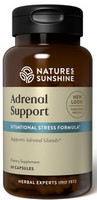
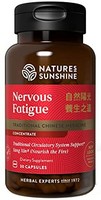
The two supplements I rely on the most for balancing adrenals are Adrenal Support and Nervous Fatigue Formula. People with chronic anxiety and nervousness, and especially people suffering from post-traumatic stress disorder, almost always need Adrenal Support. Sometimes, they need an even stronger adrenal glandular.
Recognizing Symptoms of Anxiety
The most common symptoms relate to the chest. They include palpitations (hard and faster heart beat), throbbing or stabbing pains, a feeling of tightness and inability to take in enough air, and a tendency to sigh or take large breaths.
Restlessness, tremoring hands, memory loss, and fatigue are also common effects. Other symptoms include tension of the muscles, which leads to headaches, spasms in the neck, back pains, grasping too tightly, and an inability to relax. Canker sores, lingering colds, skin disorders, dry mouth, diarrhea, nausea (sometimes vomiting), changes in appetite, constipation, and frequent burping may also be experienced.
There are also some externally obvious side effects to anxiety.
Sweating, blushing, a constant need to urinate, light-headedness, and yawning are some of the problems that occur as a result of fears. People with anxiety usually feel that something bad is about to happen. They might worry that they have a chronic illness and the symptoms listed above support this theory. They may also think their safety or the safety of family members or friends is compromised and that they are in danger. This fear leads to increasing dependence on others, irritability, fatigue, trouble getting to sleep and waking, frightening dreams, and a state of being easily frustrated. If you look at a person and they have dark circles under their eyes and their tongue and hands quiver, they are probably enervated—especially if they are also having trouble sleeping.
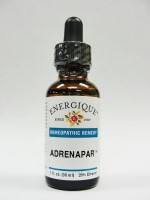
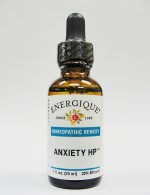
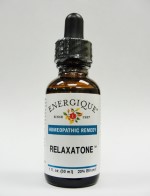
Suggested Homeopathic Formula
Nutrition for Your Nerves
The foods we eat make a difference in how we react to and cope with life. Increasing consumption of complex carbohydrates and high protein foods can improve our ability to cope with anxiety. Whole grains, vegetables, beans, raw seeds, and nuts all raise blood sugar levels gradually, then stabilize them. However, protein blocks production of serotonin, which acts as a sleep inducer, therefore you may not want to eat high-protein foods at dinner time because it could interrupt a good night’s sleep.
* Magnesium helps produce prostaglandins. A deficiency leads to an overproduction of lactic acid, which encourages enervation.
* Zinc supports the body in the absorption of B vitamins. It also balances high blood sugar levels. Vitamins may also be helpful.
* Vitamin B5 strengthens the adrenal gland, which is often compromised by anxiety.
* Vitamin B6 helps produce prostaglandins, which relax smooth muscle tissue. A lack of B6 in the diet can cause poor sleeping habits.
* Inositol is a B-complex vitamin which acts as a mild tranquilizer. (See B complex)
* Vitamin C supports immunity and discourages sleepiness.
* Seratonin Phenolic (Homeopathy)
Avoid the consumption of the following foods and beverages.
* Alcohol is thought of as a sedative, however it can intensify anxiety and irritability.
* Coffee and chocolate have caffeine, a stimulant that interferes with sleep and triggers the release of adrenaline and therefore increases enervation.
* Refined sugar digests quickly and raises blood sugar levels dramatically. The body then experiences a series of highs and lows brought on by the blood sugar ups and downs, which makes one less able to cope with stress.
The Psychology of Anxiety
Freud coined the term “anxiety neurosis” and believed that anxiety stems from repressed or unresolved childhood experiences. At first he thought that anxiety was a result of unsatisfied sexual needs, but later concluded that a lack of bonding and child-parent separations are the cause of the fears behind anxiety. Anxiety neurosis is diagnosed if the person has had at least one definite period of anxiety accompanied with at least one physical or psychological symptom that impairs normal activity. There are three types of physical and psychological disorders involved, which include: Posttraumatic stress disorder, panic disorders and obsessive-compulsive behavior.
** Posttraumatic stress disorder is associated with a serious specific event (like rape, battlefield experiences or accidents) and symptoms include reliving the event in dreams and a general feeling of numbness and lack of involvement.
** Panic disorders are characterized by sudden attacks of panic (extreme unreasonable fear and anxiety), while phobias are dominated by irrational fears that lead to avoidance of certain situations or objects, such as open spaces or spiders.
** Obsessive-compulsive behavior are recurrent, ritualized, persistent thoughts or habits. Behavioral psychologists believe that anxiety is a learned response to experiences, for example, pain or mental discomfort. At first this anxiety serves to drive people to improved learning and performance, but eventually it becomes a habit that is brought on by the slightest difficulty.
Once it becomes a habit, enervation impairs performance and thought. Sadly, people become so deeply conditioned that they cannot control their anxiety responses. Current research suggests heredity is also a contributing factor. Many people seem to have a nervous system that is inclined to anxiety. Approximately four percent of the population suffers from anxiety disorders. They are mainly younger adults, occurring equally in men and women.
Get Relaxed with Herbs
Sometimes we all need to “mellow out” and get relaxed. Fortunately, herbs can really help. Herbal remedies for anxiety and enervation fall into two general categories. The first are nervines or herbs that help to relax the nervous system and counter the flight-fight response. The second category is adaptagens, herbs that help our body adapt or cope with stress.
We'll start with the nervines
|
|
Note on Lobelia: For aiding acute attacks of anxiety and tension, use small, frequently repeated doses. We have used a half eyedropperful every two or three minutes until panic and tension are reduced and the body starts to relax. Large doses can bring on a state of profound relaxation, but they are also likely to make a person throw up.
Now, let’s talk about some adaptagens
|
|
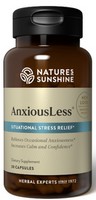
BENEFITS OF ANXIOUSLESS:
* Helps quickly ease anxiousness without drowsiness
* Promotes feelings of confidence and security
* Improves mood while helping to reduce fatigue
* Is not addictive or habit's forming
* Is mild and safe when used by adults 18 years and older
Sceletium tortuosum is grown and harvested by locals in cooperation with South African San Council to assure maxiumum sustainability and to promote social accord.
Sources
For more information, consult the following sources, or talk to the person who gave you this newsletter. Their address should appear on this page.
“Enervation” by Steven Horne in Nature’s Field, July/Aug 1998.
“The Body System’s Approach to Natural Healing” by Steven Horne, (Provo, UT 1996).
“The Complete Guide to Natural Healing” by Tom Monte, (New York, NY: Boston Common Press, 1997).
“The Scents of Health” by L. Carl Robinson, (Roosevelt, UT 1998).
Copyright © 1999 by Robinson & Horne, L.C., P.O. Box 1028, Roosevelt, UT 84066. This material may be printed from this database (in single copies only) for educational purposes only (not for resale) provided it is not altered in any way.

Follow us on....


|
 Lobelia
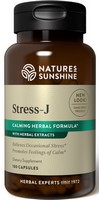 Stress-J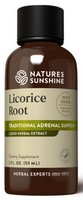
 1994 - 2023 Four Winds, Inc. USA