Andropause:
Decline Of Testoterone Level In Men
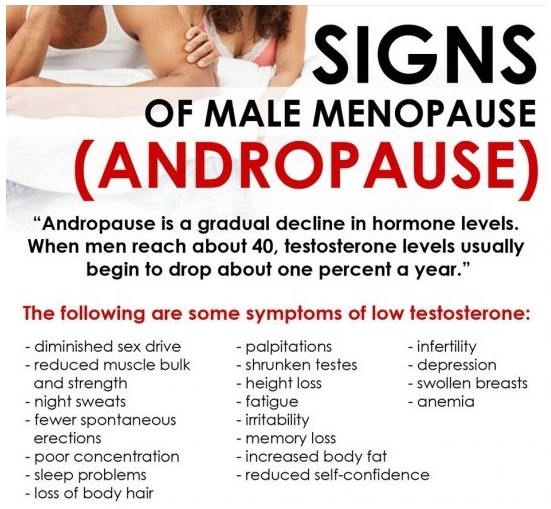
Every healthy male will experience a decrease in the production of testosterone, the "male" hormone, as he ages. This decline in testosterone is gradual, spanning ten to fifteen years on average. While the gradual decrease of testosterone does not display the profound effects that a woman's menopause does, the end results are similar. They are lethargy (feeling that you have no energy), loss of muscle mass and strength, increased fat and loss of libido (sexual drive). Until recently, this male phenomenon has been virtually ignored. The onset of symptoms is gradual and can be vague, and therefore can be easily missed.
What is andropause?
* Both men and women have hormonal control occurring in the brain, and more specifically in the hypothalamus. The hypothalamus detects that levels of the hormone testosterone are inadequate. It sends a message to the pituitary gland via gonadotropin-releasing hormone (GnRH).
* The pituitary receives the message of low testosterone from GnRH and releases luteinizing hormone (LH) and follicle stimulating hormone (FSH) at hourly intervals. The FSH stimulates the Leydig cells in the testes (testicles) to produce more testosterone.
* Once levels of testosterone are adequate, the hypothalamus will stop sending GnRH to the pituitary. The process is called a feedback system.
When does andropause occur?
When levels of testosterone fall, the condition is known as hypogonadism.
(hypo = low), (gonad = testis or ovary).
There Are Two Types Of Hypogonadism:
Primary and Secondary
1. Primary hypogonadism - when the Leydig cells in the testes have lost the capacity to secrete testosterone at normal, youthful levels.
2. Secondary hypogonadism - when the messages from the brain to the pituitary gland are not strong enough or frequent enough to stimulate the Leydig cells to secrete testosterone. If testosterone levels are normal, and a man is experiencing signs of andropause, the hormonal culprit is usually estrogen, the female hormone. Both men and women must have a specific ratio of testosterone to estrogen. Young men may have a ratio of testosterone to estrogen of 50:1. The ratio drops to 20:1 or even as low as 8:1 with normal aging. When estrogen levels in a man increase, the effects of testosterone are negated. While estrogens in women protect them from heart disease and osteoporosis, the effects are the opposite for men. Too much estrogen will actually increase the risk of heart attacks in men.
 How Does Estrogen Occur In A Man's Body?
Within the body, there is an enzyme called aromatase. It converts certain amounts of testosterone into estradiol (an estrogen). With aging, a man's body will produce larger amounts of aromatase. Larger amounts of aromatase mean more conversion of testosterone to estradiol. This will change the ratio of testosterone to estrogen.
A man may have a normal testosterone level, but with an increased estrogen level, the effects of the testosterone are negated. The transformation is not difficult, as the chemical makeup of testosterone and estrogen is very similar.
How Do Levels Of Estrogen Become Elevated?
Obesity
Studies indicate that obesity is directly related to over-estrogenization in both sexes. All fat cells contain aromatase, so an increase in fat cell population will cause an increase in the conversion of testosterone into estrogen.
This will alter the testosterone:estrogen ratios. Obesity is also known to lower testosterone levels at all ages. This may be an excellent reason to trim down and tone up!
Zinc Deficiency
Zinc inhibits the levels of aromatase in the body. If zinc levels are inadequate, the levels of aromatase rise.
Zinc is also necessary for normal pituitary functions. Without zinc, the pituitary gland cannot release the luteinizing and follicle stimulating hormones that stimulate the testes to produce testosterone. An interesting note; while zinc is necessary for testosterone production, testosterone is necessary to maintain levels of zinc in body tissues.
Liver Function
One of the functions of the liver, is to aid in the
elimination of chemicals, hormones, drugs and metabolic waste products from the body. There are a number of factors that will prevent or decrease this from happening. Use of alcohol will diminish liver function. Normal aging will also lessen liver function.
Alcohol
As previously stated, alcohol intake will assist with diminished liver function, and the elimination of excess hormones, drugs and metabolic wastes. Alcohol consumption causes dramatic rises in estrogen levels in the body. Women will have a dramatic rise in their estrogen levels after just one drink. Men will not have a dramatic rise, but levels of estrogen will increase. Heavy drinkers will have high estrogen levels, along with other related symptoms, such as "spider veins", especially on the nose and cheeks, gynecomastia (development of breasts) and testicular atrophy (degeneration or shrinking). Alcohol decreases zinc levels in the body.
Prescription Drugs
The side effects of some prescription drugs will have a negative effect on the body, and increase the effects of andropause. One example is diuretics (water pills such as Lasix). While necessary to treat conditions such as high blood pressure, the action of the diuretic will diminish levels of zinc in the body. To counteract the effects of the diuretic, a zinc supplement should be taken.
The following is an excerpt from Sunshine Sharing by Steven Horne.
Testosterone Levels Are Dropping Worldwide
Unfortunately, men's testosterone levels have been steadily declining for decades. There is a normal decline in testosterone with aging, but this decrease is on top of the normal decline.
Beginning in their fifties, most men experience a drop in their testosterone of about one percent a year. Researchers in the Massachusetts Male Aging Study observed that men born more recently had substantially lower testosterone levels than men born between 1916 - 1950. The 60-year-old in 2003 had about 15 percent less testosterone than the same age in 1988.
Although studies have shown that obesity and multiple drug use reduce testosterone, the researchers behind the Massachusetts study found that these factors alone could not account for this loss of testosterone. Examining a group of 500 nonsmokers who were neither obese nor raking a large number of drugs, they found that even these healthy men displayed a higher decrease in testosterone than previous generations.
Professor Skakkebaek at Copenhagen University Hospital states that:
There is evidence that male reproductive function seems to have deteriorated considerably during the past four to five decades. An increasing number of scientists see a worrisome pattern in male reproductive-health problems around the world, and they suspect
environmental factors to be the cause. Fertility, which moves in tandem with testosterone, has dropped not only in industrialized nations like Sweden but also in third world countries, without any apparent change in contraception or abortion rates. Also, increasing numbers of boys are being born with genital defects.
Diet
In contrast to traditional diets, modern high carbohydrate diets stress the adrenal glands and the pancreas, resulting in increased levels of insulin and reduced levels of DHEA, the building block for male hormones. DHEA and all reproductive hormones are made from cholesterol, so the current trend to drive cholesterol levels as low as possible actually causes reproductive problems in both sexes. It's part of the reason statins drug (used to lower cholesterol) can cause men to lose muscle mass, suffer from erectile dysfunction and become depressed.
The myth that dietary cholesterol and saturated fats are the cause of heart disease has caused many men to avoid cholesterol- rich foods such as eggs and red meat. While it is a good idea to avoid eggs and meat that have been raised with chemicals, like antibiotics, estrogens and growth hormones, it is not necessarily the best to avoid these foods altogether. Grass-fed, organic red meat, organic butter from grass-fed cows, and eggs from pastured chickens may be hard to come by, but they are actually good foods for increasing male testosterone."
Building Testosterone and Male Health... Naturally!
| |
|
|---|
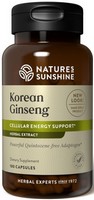 Korean Ginseng Korean Ginseng
Korean Ginseng, is a traditional herbal tonic for helping men stay healthy as they age.
Many men find that taking just one capsule of Korean ginseng daily in the morning helps them have a more stable mood and energy level.
It can also enhance fertility, improve erectile function and reduce stress.
As an adaptogen, Korean ginseng helps optimize bodily functions. It supports the body’s efforts to achieve balance. Active constituents in the plant, called ginsenosides, support the glandular system and boost the immune system.
|
| |
|
|---|
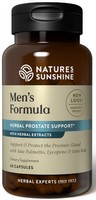 Men's Formula Men's Formula
This formula is more targeted at helping prostate function, but it can also help to enhance testosterone and male reproductive function in general.
It Works As Follows:
Men’s Formula is specifically created for men 40 and older who seek a nutritional boost for prostate gland function. Native Americans found the saw palmetto fruit to support the glandular, urinary and digestive systems. Saw palmetto supports the prostate gland. It protects this gland from active forms of testosterone. Lycopene has been shown to have a protective effect on prostate gland function. Gotu kola herb supports the nervous system and promotes endurance. |
| |
|
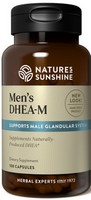 DHEA-M DHEA-M
DHEA-M is a supplement that combines 25 mg. of DHEA with sarsaparilla, saw palmetto, damiana, pumpkin seed and Panax ginseng. These herbs that are traditionally used to enhance male hormones, aid prostate function and increase sex drive. A typical dose is one capsule per day, but some men do well taking two per day for a short period of time until their hormonal levels start to normalize.
It Works As Follows:
The “M” indicates that this formula is for males. DHEA is a hormone precursor produced by the adrenal glands. After about age 25, the body’s production of DHEA declines, leading many experts to believe that DHEA plays a role in the aging process. NSP developed DHEA-M with an herbal base especially valuable for men. Saw palmetto has been shown to support healthy prostate function. Pumpkin seed contains nutrients essential to male reproductive health. Sarsaparilla and damiana have been used by men for centuries. The unique, energizing herb Korean ginseng is known the world over for its contribution to optimal well-being.
|
| |
|
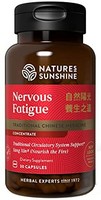 Nervous Fatigue Formula
This formula is more targeted at helping prostate function, but it can also help to enhance testosterone and male reproductive function in general. Nervous Fatigue Formula can help with a loss of sexual vitality.
This TCM concentrate contains the same herbs found in Nervous Fatigue formula but in a highly concentrated blend. Traditional Chinese Medicine would consider this a fire-enhancing formula. Its Chinese name yang xin translates to “nurture the heart.” Weakness in the fire element usually manifests itself in the digestive, cardiovascular or reproductive systems. Biota seed contains aromatic compounds that have a sedative effect. These compounds also have a mild laxative effect. Jujuba seed contains bitter compounds that help promote relaxation. Schizandra fruit, a supporting herb in this formula, allows the body to respond quickly to stress, thus increasing the body’s capacity to work. Its bitter compounds also support circulation. Ginseng acts as an adaptogen to help maintain balance in the body and help the body adapt to stress.
|
| |
|
|---|
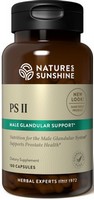 PS II PS II
Benefits:
Helps the body support a healthy prostate gland. Provides nutrition for the male glandular system.
It Works As Follows:
PS II supplies varying amounts of macro and trace minerals—nutrition needed to nourish the male glandular system and support a healthy prostate gland.
|
Testosterone In Your Body
Testosterone can be either free or bound within the body. Bound testosterone is not available for use, as it is bound to other substances throughout the body. Most of a man's testosterone is bound. The remaining testosterone is called free or bioavailable testosterone.
Normal levels of testosterone are between 350 - 1000 ng/dl (nanograms per deciliter). Of this, 97 - 98 percent is bound. Most of the binding occurs to a sex hormone-binding globulin (SHBG). The amounts of SHBG within the blood increase with age. The SHBG traps much of the circulating bioavailable testosterone, making it unavailable to exert its effects on the body. It is the bioavailable testosterone that promotes strength in the muscles and maintains or increases muscle mass, libido and sexual performance. It also improves quality of sleep, increases mental and physical energy, and also promotes improvements in mood and the sense of well-being.
Testosterone also plays a role in synthesizing proteins. It affects many metabolic activities, such as the production of blood cells in the bone marrow, formation of bone, lipid (fat) and carbohydrate metabolism and growth of the prostate gland.
Symptoms
Depression
Androgen deficiency can affect cognitive functions, resulting in lack of mental energy, decreased sense of well-being and depression.
Fatigue
Androgen deficiency causes loss of muscle mass, tone and bone density. These losses can leave an andropausal man with feelings of fatigue.
Irritability
Androgen deficiency can also heighten feelings of irritability that can lead to aggression, hostility, and anger.
Reduced Libido
Androgen deficiency reduces libido (the desire for sex). For most men, sexual changes and loss of libido occur gradually.
Aches & Pains
Because of muscle mass depletion, men will often experience a multitude of generalized aches and pains throughout their bodies.
Sweating & Flushing
As with women, the fluctuating levels of hormones can cause periods of diffuse sweating and hot flashes.
Decreased Sexual Performance Or Erectile Dysfunction
The inability to obtain and maintain an erection is known as impotence. Erectile dysfunctions also include prolonged length of time in achieving an erection, diminished force and volume of ejaculation, diminished rigidity of the erection and diminished pleasure. Most men who reach midlife will experience one or all of these to varying degrees. Most young men do not experience impotence. Sexual change can be the precursor or warning of other disease processes, such as coronary artery disease and diabetes.
Short term effects
Decreased strength - Decreased endurance -
Dermatological changes - Decreased libido -
Decreased sexual performance - Dysphoria (restlessness) -
Fatigue - Loss of self-esteem - Increased anxiety.
Common Changes That Are Manifested In Andropause Include:
A decline in physical energy - Difficulty in concentration -
Forgetfulness - Insomnia - Altered state of well-being
Long term effects
The long-term effects of hypogonadotropinism include:
Osteoporosis - Obesity - Erectile dysfunction -
Muscle loss - Osteoporosis
In healthy individuals, bone tissue is constantly being broken down and rebuilt. People who have osteoporosis do not rebuild bone tissue as fast as it is broken down. Bone density in men between the ages of 40 to 70 decreases by up to 15%. This is a concern, as a person with low bone density is at risk for bone fractures. Common fracture sites are the hips, wrists, spine and ribs.
Testosterone affects many metabolic functions within the body. It assists with the production of blood cells in the bone marrow, as well as bone production. Decreasing levels of testosterone play a role in diminished bone rejuvenation and diminished production of blood cells.
With advancing age and declining testosterone levels, a man's risk level is similar to women. One in eight men over the age of fifty has osteoporosis.
Who will develop osteoporosis cannot be predetermined, but there are risk factors that will predispose a person to developing osteoporosis. The risks include:
Low testosterone levels
Family history of osteoporosis - Thin and/or small frame -
Use of corticosteroids, anticonvulsants or drugs used to combat tissue rejection -
Excessive alcohol consumption - Smoking -
Lack of weight-bearing exercise






 1994 - 2023 Four Winds, Inc. USA