
 |
 |
 |
 |
 |

 |
Bad breath may signal more than a needed change in your brand of
mouthwash. Halitosis, insomnia, a dull ache over the eyes, ringing or pain
in the ears, loss of weight or appetite, an irritable, miserable feeling,
depression, and chills followed by fever often indicate the onset of sinusitis.
Sinus problems frequently occur when sinuses are plugged or swollen.
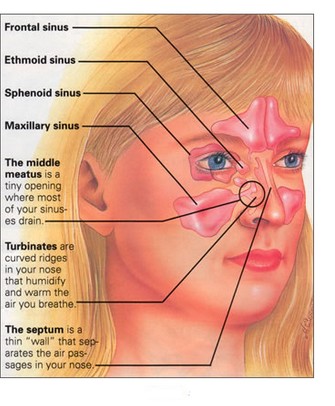
The sinus cavities are a complex system of air cells. These are located in
groups around your nose, in the forehead between the eyebrows, under the
eyes and beside the nostrils. The openings are seldom larger than the
thickness of the lead in a pencil.
Four Winds Nutrition Recomends

|
|
|
|
Ordinarily, by blowing our noses or sneezing, the expulsion of air
through the nasal passage creates a vacuum that draws the mucus out of
these tiny openings into the nasal cavity. However, when these openings are swollen shut or otherwise plugged, the sinuses are unable to drain. The
resulting sinus congestion can lead to chronic infection, a “stuffy” head and
sinus headaches.
In addition, whenever one or more of the eight sinus cavities become
blocked, mucus secretions back up to create both pressure and a breeding
ground for germs.
The antiseptic property of mucus has its limitations and
is worn down and deteriorates just like food breaks down and decays as it
ages.
When this occurs some people resort to the wrong tactics to clear their
sinuses. They dosed themselves for weeks with nasal decongestants that
shrink the membranes, but the tissues swell right up again. Any medicine
used in the nose can irritate membranes and cause them to lose their
elasticity. After the membrane’s tone is gone, the cilia may never sweep
properly, and the inflammation can become chronic.
The Quick Fix
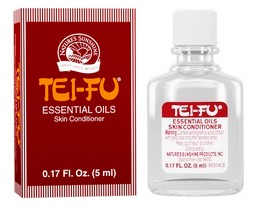
Some people solve sinus infections easily. Simply apply a little Tei Fu
oil at the base of the nose. (This oil will burn if placed inside the nose or on
any irritated skin.) Inhale slowly while alternately blocking one nostril at a
time. This technique usually begins to open the closed side of the nose. You
can also inhale steam that contains several drops of Tei Fu oil in the heated
water.
Another easy-to-use remedy is garlic. When used internally, garlic helps
to break up congestion, promote healthy mucus flow and fight infection,
especially with children that suffer from sinusitis. Two capsules of garlic oil every two to four hours aids acute sinusitis problems.
 Give It the Works
Various herbal products can assist with sinus problems depending upon
your specific needs.
Sinus Support (an excellent herbal combination)
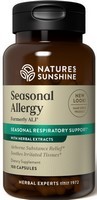
One herbal combination, Seasonal allergy (alj), works as a decongestant to
restore normal mucus flow and clear the lymphatics. This combination of
herbs also helps correct digestive problems that lie at the root of many sinus
conditions.
Another herbal combination, Lymph Gland Cleanse, helps fight infection in the lymph
nodes, which may underlie chronic sinus problems. Echinacea purpurea is also valuable for this specific infection
problem.
Other combination herbs that effectively treat sinusitis include the
combination Four, and fenugreek and thyme. Combination Four is more
useful in treating respiratory problems involving allergies and hayfever,
while fenugreek and thyme are more beneficial in treating sinus pressure
and headaches.
Other beneficial supplements include vitamin B6 and pantothenic acid with a good B-complex vitamin (because they work together). Vitamin C helps reduce inflammation. Remember also that vitamin A is needed for
healthy mucous membranes. High doses of vitamin C and vitamin A alone
have solved sinus problems for many people.
Chlorophyll will also help
clear the blood of irritants and quicken recovery.
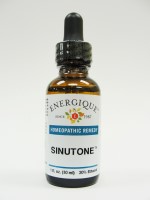
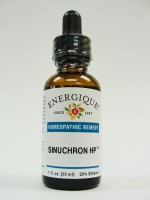
Sinutone Homeopathy,or Sinuchron HP usually relieves symptoms very quickly (see details first before ordering)
Don’t Forget Hot Chicken Soup
Single herbs that may help sinus problems include bayberry, elecampane, sage, rosemary, capsicum, ginger and horseradish. All hot
peppers and spices are good for clearing out the sinuses. Traditionally, these
herbs, peppers and spices have been added to chicken soup during cold and
flu season. “The hotter the better,” says one who “nose.”
This information is for educational purposes only. Consult with a qualified health practictioner for all serious or persistant illness. Copyright © 1999 by Robinson & Horne, L.C., P.O. Box 1028, Roosevelt, UT 84066. This material may be duplicated for educational purposes only (not for resale) provided it is not altered in any way.

Follow us on....


|
 1994 - 2023 Four Winds, Inc. USA