
 |
 |
 |
 |
 |

 |
INSOMNIA
How many sheep have you counted in your lifetime as you laid awake in the wee hours of the night tossing and turning, trying in vain to catch a few winks before the sun pokes its head over the horizon?
You're not alone. Fifty million people in the U.S. suffer from sleep disorders, which include insomnia, the inability to either fall asleep or to remain asleep through the night. Occasionally losing a few hours of beautyrest is annoying, but chronic insomnia can affect your life beyond your wildest dreams... or more correctly, your nastiest nightmares. It can seriously affect health and well-being, suppressing the immune system, stressing nerves and glands, and draining energy reserves.
Specific Supplements for the Sleepless
The body is a complex mechanism, and if something is out of balance in an organ or body system, it may affect sleep patterns anywhere from mildly to drastically.
Following is a list of common health problems that cause insomnia and some potential natural remedies.
Nervous Tension
Simple nervous tension and stress can make it difficult to relax or "unwind" in the evening, which makes sleep difficult. Nervine herbs, which promote relaxation and relax muscle tension, can help to release those "uptight" feelings and promote sleep.
Herbal Sleep
(HVP - Hops, valerian and passion flower) helps a person relax when sleep won't come because of nervous tension. Valerian is a powerful muscle relaxant and sleep aid, (but may react "backwards" in some people, producing a stimulating effect). Hops also has a soporific (sleep-inducing effect) because it acts as a mild central nervous system depressant. It helps reduce irritability and restlessness.
Closely related to nervous tension, anxiety may also produce insomnia. If you have "panic attacks," cardiac stress (high blood pressure, rapid or irregular heartbeat), chronic nervousness or tension headaches coupled with insomnia, then anxiety may be the cause. In this case, nutrients such as Vitamin C, B-Complex, Calcium and Magnesium can help.
Nutri-Calm, an antistress vitamin supplement in a base of nervine and adaptagenic herbs may be particularly helpful.
Other possibilities include nervine formulas like STRESS-J and Stress-Rlief.
Liver "Fire"
Liver toxicity, or an excess of hot or "yang" energy in the liver, is a common cause of insomnia. This creates "night hawk" behavior where the person gets energized in the evening and can't relax and go to sleep.
In the morning, the individual feels "groggy" and "hungover" and often has a difficult time getting out of bed.
Headaches are also common with this profile.
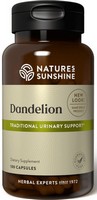
Treat this type of insomnia with herbs to cleanse the liver and reduce liver "heat", such as Burdock, Liver Balance, Dandelion, and Enviro-Detox.
Adrenal Exhaustion
When a person is able to go to sleep, but their sleep is disturbed by frequent tossing and turning, restless dreams, waking often needing to urinate, or waking up after a few hours and being unable to get back to sleep, the problem may be exhausted adrenals. Such a person is often tired during the day, but unable to sleep peacefully at night. Other symptoms of adrenal exhaustion include: dark circles under the eyes, quivering tongue, pulsing pupils, mental confusion and being excessively emotionally sensitive.
Adrenal exhaustion suggests a need for these adaptagens: Nervous Fatigue and Nutri-Calm.
It is very important to avoid both caffeine and refined sugar with this type of insomnia.
A small snack of a high protein food like jerky, cottage cheese or nut butter at bedtime can help to stabilize blood sugar levels during sleep and improve the quality of rest.
Nervous Fatigue is generally a very effective formula for this type of insomnia.
It is used in Chinese medicine for depleted "fire" or what we would call "burn-out" in the West. It not only aids insomnia, it also helps manage heart palpitations, restless thoughts, night sweats, mental confusion and emotional "edginess." Most people suffering from this type of insomnia experience improved sleep and energy levels within two to four days on this formula.
Serotonin & Depression
Depression may also disturb sleep patterns. Current research suggests that depression affects neurotransmitters and hormones in the brain. The brain has to produce certain chemicals in order to induce sleep, specifically melatonin and serotonin.
Serotonin, a neurotransmitter, not only induces sleep, it also regulates pain, depression, mood and appetite. Serotonin is produced from the amino acid tryptophan along with vitamin B-6 and zinc. Since serotonin levels are directly influenced by tryptophan levels in the brain, increased intake of tryptophan can help induce sleep. 5-HTP Power provides tryptophan (in the form of 5-HTP or Hydroxytryptophan), zinc and B-6, thus helping to increase serotonin synthesis. This makes it helpful for insomnia, anxiety, depression and excessive appetite for sweets. 5-HTP Power also contains Siberian ginseng, ashwaganda and suma, three adaptagenic herbs that help to normalize the body's responses to stress.
Diet also influences serotonin production (see Food and Mood below). Try eating protein for breakfast and a lighter meal of mostly complex carbohydrates (whole grains and vegetables) for dinner.
A great remedy for insomnia associated with depression is Mood Elevator.
Indications for this effective Chinese anti-depressant combination include: hypersensitivity, nervousness, tension, red tongue with yellow coating, and a heavy or dizzy feeling in the head. This all natural herbal formula has proven beneficial as an alternative to many popular anti-depressant drugs.
St. John's Wort has also been used for generations as a natural mood enhancer. It has been so popular in Europe for the last 15 years that in Germany it is the leading prescription for depression and is prescribed 25 times more than Prozac. St. John's Wort may help to improve memory, other mental activities and quality of sleep without impairing attention, concentration and reaction times the way drugs do.
Food and Mood |
|
Low serotonin levels, which are implicated
in both insomnia and depression, trigger an increase in our cravings
for carbohydrates. Hence, people who crave sweets may be low in
serotonin. The problem is that this craving is often satisfied with refined carbohydrates (sugar and white flour products) which cause a rapid rise in blood sugar levels followed by a dramatic "let-down," creating the need for more sweets for another "fix." Complex carbohydrates (whole grains and naturally sweet foods like fruit) produce a more stable blood profile, helping to increase serotonin levels while keeping blood sugar levels and mood stable. |
Essential Oils
Lavender is known to help relaxation. Add 5 drops of essential oil of lavender to a bath or put 2 drops on a handkerchief by your pillow to inhale.
Roman chamomile, clary-sage are also suggested.
Root Causes of Sleep Disorders
In natural healing, the goal is always to find the cause and remove it, rather than just cover up the symptom. So, the first thing we need to do is examine some of the causes of sleep loss. Insomnia can be caused or exascerbated by physical, mental, behavioral and environmental factors.
Poor sleep habits, hypoglycemia, bladder/kidney infections, digestive problems, muscle aches, breathing problems, jet lag, certain medications, diet, emotional stress and specific health conditions can all contribute to difficulties with sleeping.
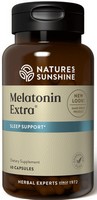
Melatonin The Sleepy Hormone
|
Having chronic insomnia is like the proverbial dog chasing his tail. Not being able to sleep causes you to get sick and rundown and anxious, which causes you to not be able to sleep, which causes you to get sicker and more rundown and anxious, and etc., etc., etc. You get the picture.
We need several hours of sleep in REM (rapid eye movement)- also known as dream sleep- each night. Without it, our bodies cannot do the repair and maintenance work they need to be healthy. However, there are no hard and fast rules about how much total sleep is enough. Some people appear to do fine with only five or six hours, while others need eight, nine or even ten.
Before you reach for an over-the-counter sleeping pill or rush to the doctor for a prescription, it's important to know that most of these "band-aid" remedies actually interfere with the normal sleep cycle, interrupting or suppressing REM sleep patterns. Instead of solving the problem, they also simply cover up whatever the real cause of the sleep disturbance may have been and even make the problems worse. Again, causing the dog to chase his tail.
So, let's explore some simple lifestyle change helps for insomnia, including some effective natural herbal remedies.
Sleep
Many people in our modern society try to burn the candle at both ends (going to bed excessively late and getting up early). Sleep patterns are habitual, so sometimes we simply need to go to bed at a regular time until a new sleep habit can form (which generally takes 3-4 weeks). Turn out all the lights (see Melatonin above) and go to bed at the same time every night, even if you just lie there. Also, unless you need a nap for health reasons, resist the temptation to take that late afternoon nap which can confuse your body's sleep clock.
Diet Habits
Avoid eating heavy meals before bedtime. Undigested food interferes with a good night's sleep and is hard on your health. Try drinking a soothing nervine tea before going to bed. Some food intolerances and allergies (especially to dairy products, wheat, corn and chocolate) can cause sleep difficulties. Eliminating suspect foods may help.
Smoking cigarettes stimulates the body and can cause sleep problems.
Reduce your caffeine intake, especially in the evening, and don't take stimulating herbs and supplements before bed. Many over the counter medications contain caffeine or caffeine-related substances. Some prescription medications such as thyroid medications, oral contraceptives, and beta-blockers- (for high blood pressure and heart ailments) can also disturb sleep patterns.
Sugar
Also keep in mind that sugary snacks right before bedtime can also keep you awake. First comes the sugar "high," and then the sugar "crash," which your body mistakes for a physiological emergency. In reaction, it releases stress hormones that make you feel keyed up and jittery. So, best to stay away from simple carbohydrates, such as cookies and cake, especially at bedtime.
Caffeine
Caffeine is a stimulant that can stay in your body for more than 12 hours. It's not only found in coffee, tea, chocolate, and colas, but also in many unexpected items, including some over-the-counter cold, allergy, and diet pills and certain prescription painkillers. Your reaction to caffeine depends on how quickly your body can eliminate it; some people are more sensitive to its effects than others. And because caffeine is a diuretic, it may cause you to have to urinate more often, possibly contributing to middle-of-the-night awakenings.
I suggest trying to eliminate caffeine entirely, but if you must have it, be sure to drink it early in the day. And instead of that full-bore after-dinner espresso, try one of the fine water-processed decaffeinated coffees, or better yet a sleep-inducing herbal tea, such as chamomile or valerian. If you do decide to cut out caffeine completely, do so gradually to reduce withdrawal symptoms, such as headache and irritability. The elimination of caffeine alone has helped many of my patients sleep better.
Alcohol
Statistics show that 40% of people with insomnia have used alcohol to help them sleep at one time or another. But it actually has the opposite effect. While a drink or two may initially induce sleep, as your body metabolizes the alcohol, it's likely you'll awaken, often restless and sweaty.
Alcohol contains stimulating sugar, it can cause the release of adrenaline, and it also has been found to shorten the restorative periods of deep sleep. A good rule of thumb is to avoid alcohol altogether, and definitely don't drink within two to three hours of bedtime. A smart substitute for a nightcap might be nonalcoholic beer, which contains sedating hops
Eat food high in tryptophan
Tryptophan is an essential amino acid that occurs naturally in a great many high-protein foods, including meats, fish, poultry, eggs, dairy products (always use low-fat), nuts, seeds, and soybeans. The body uses tryptophan to produce the neurotransmitter serotonin, a brain chemical known to promote a sense of relaxation and drowsiness. Research has found that there are a couple of tricks to maximizing your body's use of tryptophan, however. Basically this involves eating carbohydrate-rich foods along with those high in tryptophan.
If you have difficulty falling asleep, eat a dinner containing a little protein, a generous portion of complex carbohydrates, and a little fat (olive oil or canola oil for cooking or in a salad dressing) around 6:30 P.M., followed by a complex-carbohydrate snack two hours before bedtime. Complex carbohydrates are found in whole grains or starchy vegetables (corn, potatoes, sweet potatoes, for example), peanuts and other nuts, as well as in fruits such as avocado, bananas, melons, figs, and dates. If you tend to fall asleep easily but then wake up many times at night, try eating dinner later, around 7:30 or 8:30, and then having the carbohydrate snack right before bed.
Consider a food elimination diet
If gastrointestinal problemssuch as cramps, gas, and diarrheaare keeping you awake, you may be sensitive to certain foods. Major offenders are dairy products, corn, and wheat. Trying a food elimination diet for a few weeks can help you determine which food, or foods, may be causing your problem. And it will help you get a bead on the sleep burglar.
Environinental Factors
Electromagnetic fields may disrupt sleep. These can come from electric blankets, electrically heated waterbeds, electric clocks by the bed, power lines and generators near the residence, and problems with ventilation, humidity and noise or poor mattresses or pillows.
Exercise
Lack of exercise may contribute to insomnia. Take walks and do gentle stretches before going to bed. This helps to relax and calm your body and emotions, making sleep come more easily. Reserve your heavier exercises for earlier in the day so they won't rev up your engines and keep you awake at night.
The Mind/Body Connection
Most children know that "counting sheep" can help them sleep. Actually, this old-fashioned remedy is a simple form of self-hypnosis which is a focusingtool of visualization and meditation. Counting an image that you create in your mind, like the sheep, helps to focus and still your mind, allowing you to gently drift off to sleep. You can also count breaths, progressively relax muscles in your body, imagine yourself at a favorite place in your mind and listen to birds, waves, wind in trees or use whatever other technique helps you relax into sleep.
Emotional Stress
Grief, depression, anxiety, fear, and excitement can temporarily affect sleep. When the mind keeps going over and over problems, it's no wonder that sleep becomes a problem. If worry over daily tasks is keeping you awake, try making a list of your next days' tasks before bedtime so it's all on paper and you can put your mind at ease for a good night's sleep. Then give yourself quiet time before going to bed to put aside your worries. You may want to get some instruction on meditation. Meditation can do wonders for calming the nerves and helping with sleep.
Relaxation Technique
As you lay in bed, consciously try to relax every part of your body in turn. Begin with your face and work down to your toes. The whole procedure should take at least ten minutes.

Follow us on....


|



 1994 - 2023 Four Winds, Inc. USA