
 |
Those Amino Acids
Amino acids are the building blocks of protein, and while the debate over how much protein is essential to human nutrition can get quite heated, the simple fact is that it is absolutely necessary for survival. When one realizes that protein comprises approximately three-fourths of the body's dry weight, one quickly realizes how vital it is to health.
When it comes right down to it, though, it isn't really protein we need. It is amino acids.
A human body can't use the proteins manufactured by other living organisms. It has to break those proteins down into their component amino acids, then restructure them to form its own proteins.
While protein is very important to our body's structure and function, our bodies can't make use of whole proteins. The process of digesting protein is the process of breaking it down into its component amino acids. The body then constructs its own proteins out of these amino acid components.
There are 22 amino acids.
Thirteen of these can be manufactured in the body.
Nine are considered essential, but all 22 are necessary to make our body operate properly. A deficiency of any of these amino acids can compromise the body's function and structure.
Deficiencies can arise not only from poor diet, but also from poor digestion.
Hydrochloric acid (HCI) in the stomach is essential to the process of breaking down protein into its component amino acids, as are proteolytic enzymes from the stomach and pancreas. Once the HCI and enzymes have done their job, the free amino acids are absorbed into the blood stream and transported to the liver.
The liver creates nucleo-proteins, adding a molecule of fat to the protein to "tag" it so that it will not be attacked by white blood cells. Once stabilized in this fashion, these amino acid complexes are used in a wide variety of functions, including repairing tissue, forming antibodies for the immune system, producing hormones or enzymes, creating DNA, forming neurotransmitters to carry messages in the brain, hemoglobin and plasma proteins to carry oxygen and water in the blood, and much more.
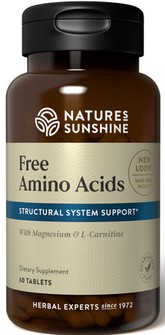
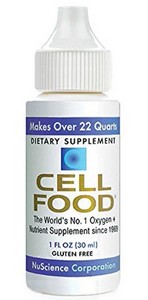
You can chose either one
|
|
The essential amino acids include: Lysine, leucine, isoleucine, tyrosine, methionine, phenylalanine, threonine, tryptophan and valine. These must be obtained regularly through the diet and can have valuable therapeutic effects. Even the other amino acids (cysteine, glutathione, taurine, homocysteine, arginine, citrulline, ornithine, glutamic acid, glutamine, GABA, proline and aspartic acid) provide proven therapeutic and nutritional benefits when taken internally.
(See table below for details)
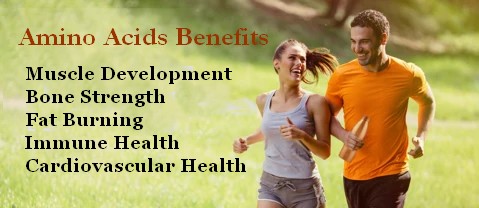
Amino Acids can benefit a wide range of health problems
|
|

Follow us on....


|
 1994 - 2023 Four Winds, Inc. USA